
Growing Evidence Offers Proof Chiropractic Works
Some people ask is chiropractic effective? A growing body of evidence-based research offers proof chiropractic care works. It does this by demonstrating the value of chiropractic care in addressing conditions affecting your spine, muscles, joints or nervous system. Some key evidence-based highlights are cited below.
Is Chiropractic Effective? Research and Outcome Highlights
Pain Relief and Management
- The American College of Physicians Low Back Pain Systemic Review demonstrated that exercise is effective for reducing long-term (chronic) low back pain and spinal manipulation provided better short-term pain relief than other active interventions.1
- Studies have shown people who receive chiropractic care are more likely to be physically able to work in a shorter duration of time.2
Reduced Medication and Opioid Use
- Patients with noncancer spinal pain who received chiropractic care were 52% less likely to obtain a prescription for opioids than patients who did not receive chiropractic care (and 71% less if patients received chiropractic care within 30 days of their initial visit.)
- After a course of chiropractic care at a publicly funded multidisciplinary inner-city facility, 59% of the patients no longer required opioids.
- A 2019 U.S. study found that 64 per cent of patients who saw a chiropractor were less likely to use opioids than people who didn’t, as reported in the journal Pain Medicine.3
- 83 per cent of patients surveyed now rely less on medication, including opioids, to help manage their low back pain, after receiving care from a musculoskeletal (spine, muscle or joint) expert, such as a chiropractor, at one of Ontario’s government-funded Primary Care Low Back Pain program sites. 4
- 2017 Canadian Guideline for Opioid Therapy and Chronic Non-Cancer Pain recommends therapies without medication, such as spinal or joint manipulation and therapeutic exercise, for treating back pain, as well as neck pain, knee osteoarthritis, fibromyalgia and severe headaches or migraines.5
- Health Quality Ontario (HQO) suggests making better use of non-medical treatments to manage acute and chronic pain will reduce the number of people who use opioids for the long-term. Its Quality Standard onOpioid Prescribing for Chronic Pain also recommends spinal manipulation in conjunction with an active physical therapy or exercise program.
Is Chiropractic Effective?
Patient Experiences Show Chiropractic Works
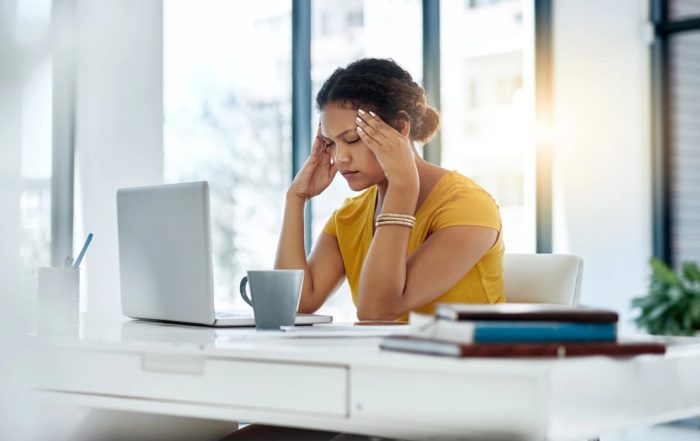
How a chiropractor helped alleviate and prevent Kyra’s headaches from returning
Headaches and migraines are painful and can affect your ability to go about your daily activities. Often, they appear seemingly out of nowhere, but can, in some cases be the result of known factors [...]

Treating hand, wrist, and elbow pain with chiropractic care
Hand, wrist and elbow pain can affect anyone – regardless of age. Even if you’re young and active, chances are you may still experience pain associated with your daily activities. Learn how Anthony discovered [...]

Learning how to cope with chronic pain helped Domenic to keep moving forward
After experiencing pain like no other from a regular walk, Domenic was diagnosed with spinal stenosis, which led to years of struggle with finding care and treatment. Eventually, a visit to a chiropractic 'bootcamp' helped [...]

How chiropractic care helped David manage his severe arthritis
At just 26 years old, David never thought that his back and glute pain could have been due to arthritis. After years of navigating the health care system for the right diagnosis and the right [...]

Biking, walking, and interval training a reality again for Jane, who has spinal stenosis
A sudden onset of arthritic pain led Jane to seek a chiropractor, who helped her get back to biking, walking, and even interval training. “I never thought I had or could have arthritis because you [...]
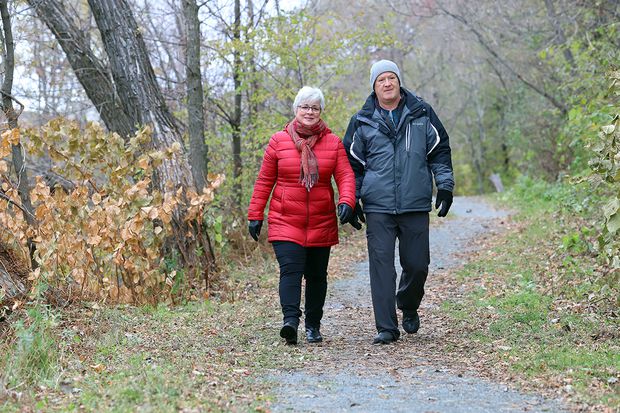
Tom and Colleen are aging well with the right exercise program and care
To help manage osteoarthritis pain, Tom Kellar and Colleen Fraser stay active, including taking regular walks near their Sudbury home. This activity keeps them aging well with the right care. Tom Kellar and his wife, [...]
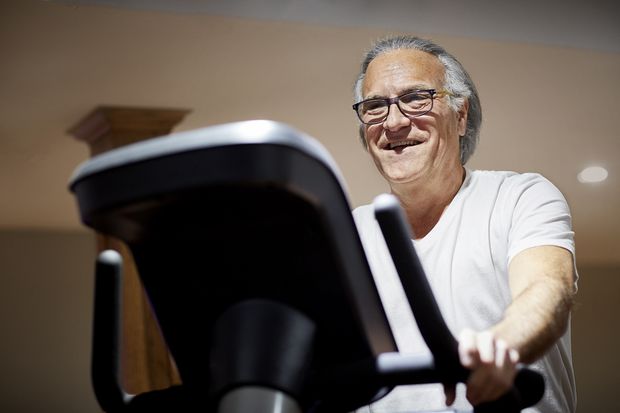
With manual therapy, strengthening and stretching exercises, Brian stood up to lumbar spinal stenosis
Brian Mandelker had experienced low back pain before but lumbar spinal stenosis was different. “Mostly standing around coaching kids’ baseball and hockey teams,” says the 64-year-old entrepreneur from Thornhill, Ontario. But nothing like the [...]

Brent’s recovery from an industrial work-related back injury
After a work-related back injury added to Brent’s ongoing low back pain, leaving him with severe pain, numb legs and unable to work, he turned to chiropractic care for help. As a heavy equipment operator, [...]

Matt’s rehab after a car crash injured his neck, femur and ribs
Several years ago, Matt Morling was in a severe accident when another driver hit his vehicle head-on. This devastating crash took the life of his grandmother and left Matt with fractures to his neck, left [...]
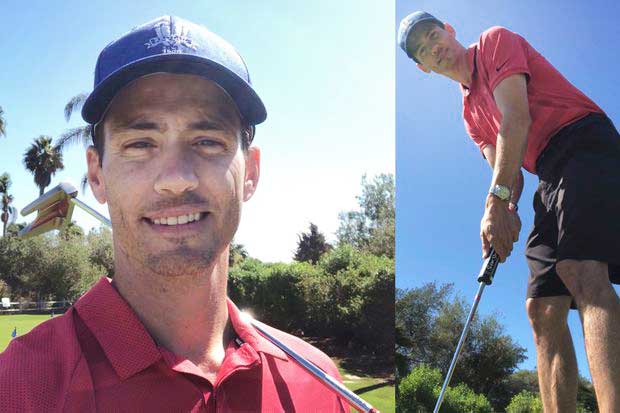
How Chris curbed the back pain diabetes can bring
Chris Drake, 39, knows about diabetes and back pain. Diagnosed with type 1 diabetes at the age of nine, he first started having back issues in his late twenties. It sidelined his much-loved golf habit, [...]

Pam almost missed her trip to Italy due to low back pain
Pam Damoff, a town councilor in Oakville, has always enjoyed an active lifestyle, especially cycling and the feeling of freedom that she experiences when she is out for a ride. However, all it took was [...]
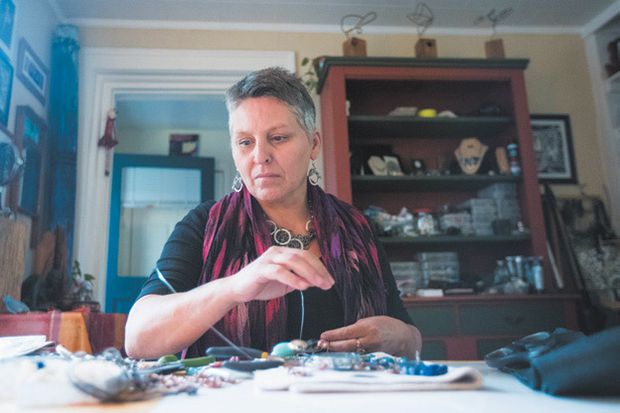
How chiropractic care helped Lisa quit opioids
In the past, Lisa Morris self-medicated to help numb her pain. With help from Belleville’s Primary Care Low Back Pain program, Lisa’s life has done a 180: she’s self-employed as an artist, sleeping well and [...]
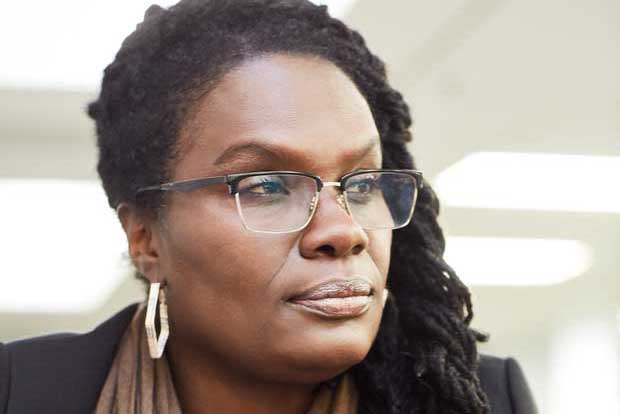
Treating Sharon’s whiplash and boosting her overall health
When Sharon Pike was involved in a car accident a few years ago, she needed a chiropractor to treat her whiplash — and discovered that reaching one was easier than she thought. “I started going [...]

Coletta’s return to tennis after a shoulder and arm injury
Coletta McGrath, an executive director of a community health centre in St. Catharines, is an avid tennis player who enjoys an active lifestyle. However, a serious car accident significantly damaged her right arm and shoulder, [...]